Marketing Ideas for Small Creative Businesses
I recently caught up with one of the co-founders of The Finders Keepers (TFK) Markets, Sarah Thornton who shared her go-to marketing tips for small and creative businesses based on her 16 years of experience running TFK markets across Australia. Sarah launched the markets as a startup/side hustle idea to begin with. They would eventually grow into one of the largest launching platforms for creative, small businesses in Australia.
While a lot of people are outsourcing their decision making to the internet, there is a growing number of people who are looking to have in person experiences with brands and the founders of businesses.
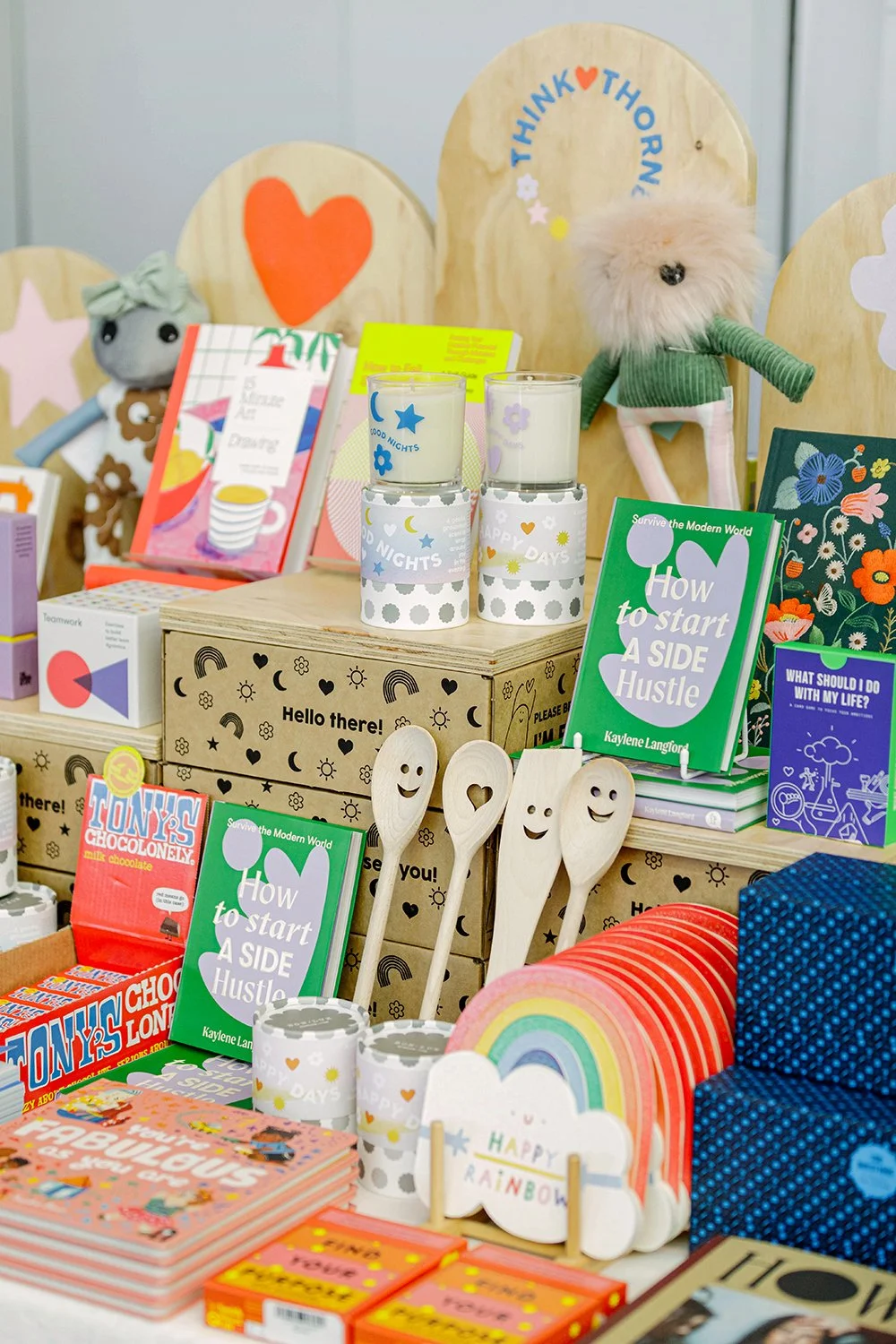
Market stalls are a valuable way for small, creative businesses to build brand awareness, test their products and/or services and engage with their customers directly. A market stand offers you the opportunities for face-to-face connections and brand building beyond just sales.
Here’s what Sarah had to say about how to start and scale your business using the power of markets.
1. For small businesses starting out, how should they think about the role of in person markets today?
Markets are still such an important brand-building tool because they bring your audience into a real-life experience with you.
They’re a space to test and validate your product in person, and they’re an opportunity to have direct conversations, where you get instant, honest feedback. They are a way to broaden your reach and meet new people in real life. They can be an important bridging tool for where you want to grow, and I’ve seen lots of businesses grow and thrive by building up from the markets.
I always recommend starting small with your local markets first. This keeps your initial investment low, and you use it as a testing ground. Refine your pitch, learn how to engage, test your product mix, and experiment with your displays.
Then take the time to review everything. What worked, what didn’t, what felt natural, what didn’t convert. Use that to refine and rebuild before stepping into larger, premium weekend markets.
Once you’ve learned from that process and feel confident in your offering and setup, go BIG!
2. How can businesses use market stands as a tool for building their brand, not just making sales?
With so much happening online, people genuinely value face-to-face connections. You can still build anticipation online, then offer something special in person. It could be a market-only launch, a limited release, or something tactile that can only be experienced in person there.
If your product needs explanation, testing, or sensory engagement, markets are invaluable. People can smell, feel, taste, or try things in a way that builds a far deeper connection than a digital ad ever could.
It’s also important not to only measure success by sales on the day. The impact often shows up post-event. New email sign-ups, increased followers, and delayed purchases from people who needed time to think. You should always include a strategy for how you’re going to engage and build your audience from there.
Markets can feel overwhelming, and often customers don’t make instant decisions. They might go home, sit with it, and realise later they genuinely want that ceramic mug they held in their hands.
So leave people with something memorable, and make it easy for them to reconnect with you afterwards.
The real goal is not one-off transactions, but building your community and repeat, long-term customers.
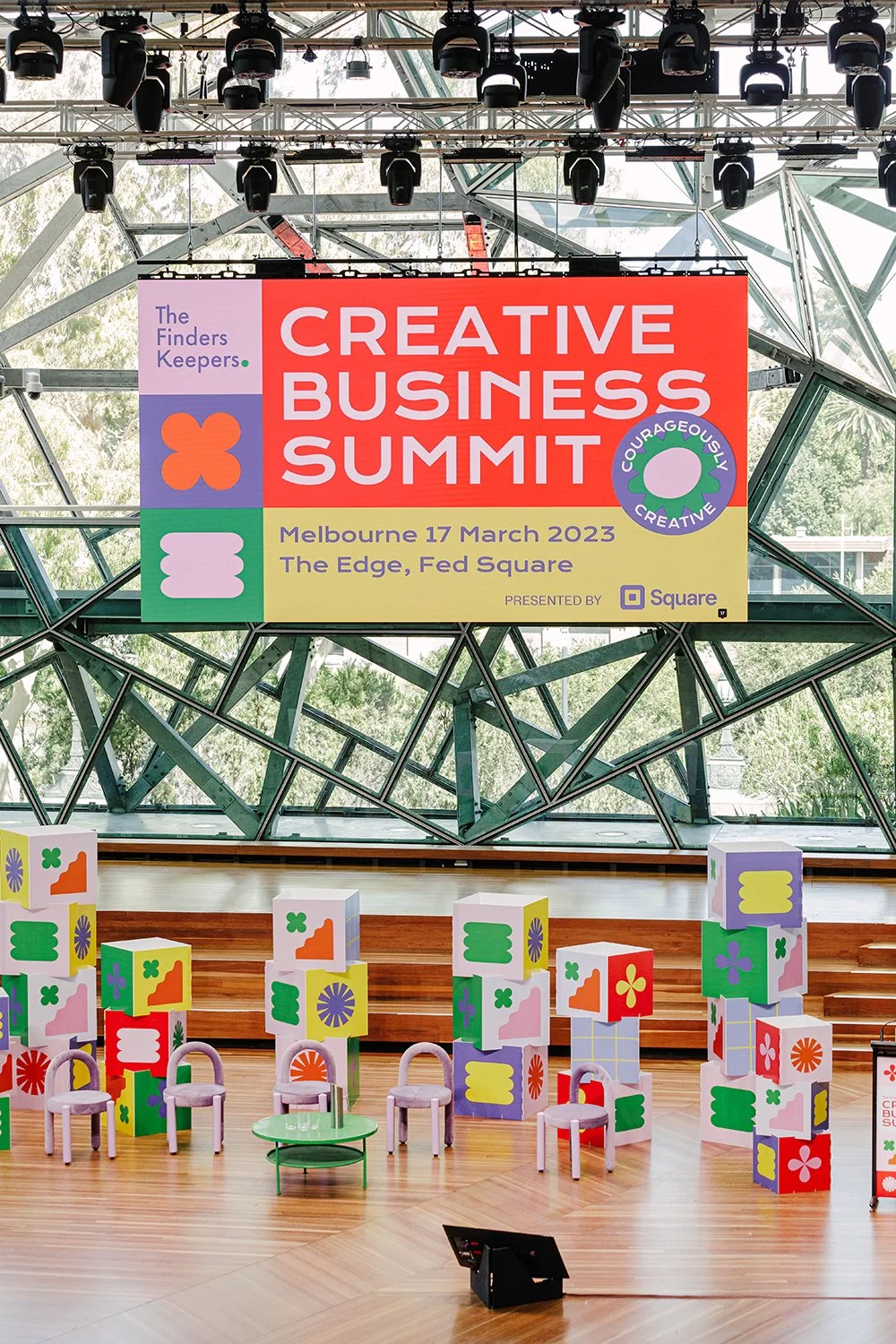
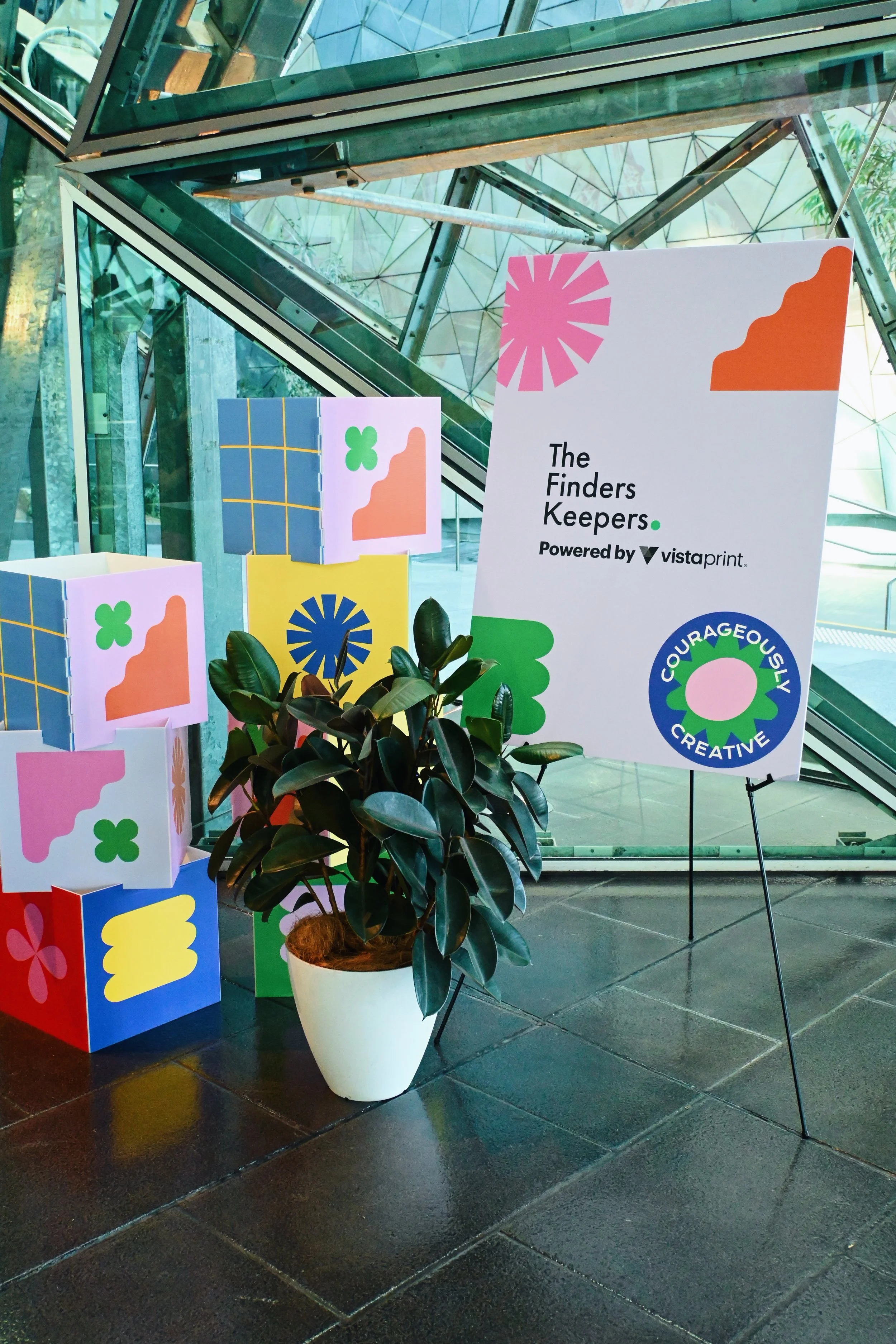
The Finders Keepers Business Summit
3. What’s something small brands often overlook when it comes to building a strong brand?
One of the biggest things I see is small brands trying to look like big brands too early.
The irony is that your biggest advantage as a small brand is exactly what large brands struggle to recreate: a real connection. You can speak directly to your audience, tell your story in a human way, and involve people in your process in real time.
People trust brands that feel transparent, relatable, and consistent (sometimes even a little messy, hey, it’s real!), not overly polished or distant.
Your story should sit at the centre of everything you do. From there, consistency becomes your anchor. In tone, visuals, and messaging across all touchpoints.
What often gets in the way is comparison. It’s easy to fall into the “we should be doing what they’re doing” mindset, especially across different platforms.
But strong brands don’t adapt their identity to fit each channel. They stay consistent and recognisable everywhere. That consistency is what builds trust over time.
4. How should founders think about marketing when they don’t have big budgets?
Start with what you own and control.
Your core foundation should be your website, email list, and any long-form content channels like a blog. These are your owned assets; everything else supports them.
Then build your social media as your distribution layer, not your entire strategy. Focus on what you can realistically maintain without burnout. Consistency matters far more than volume.
From there, look at earned opportunities: PR, collaborations, partnerships, and building your reviews/ word-of-mouth. These are often the most powerful and cost-effective ways to grow.
Think about how you can create genuine value exchanges. For example, collaborating with aligned brands on giveaways, or partnering with people who already share your target audience.
You can also build value for people to join your world, like a lead magnet, a free guide, or a small incentive for signing up or purchasing.
Once the foundations are working, consider adding in paid advertising, but keep it intentional. Start small, test one thing at a time, and measure properly before scaling.
5. What’s something you would do differently if you were building a brand today?
I would be far more selective about external opinions.
Early on, it’s easy to assume other people know better, but too much outside input can quickly lead to confusion and analysis paralysis. Not every strategy works for every brand.
The strongest brands I see today are the ones that trust their own direction and build something slightly differently, not those following “proven” formulas. Use selective support and business tools when you need them, but don’t follow methodologies blindly.
I would also spend much more time upfront defining brand tone, story, and messaging. That becomes your internal compass.
When that foundation is clear, decision-making becomes easier. You’re no longer guessing or adjusting your identity for every situation. You’re building from a place of clarity and consistency, which can evolve, but doesn’t constantly shift.
6. What have you learned about building a business that people don’t talk about enough?
Learn about financial management and cash flow EARLY. Financial awareness changes everything, and it’s one of the most important foundations of a sustainable business.
So many small businesses focus heavily on marketing, branding, and aesthetics, while not fully understanding their numbers. When things grow, expenses multiply, and it starts to create pressure.
Understanding your break-even point, your cash flow cycle, and your real budget gives you clarity and control.This helps you with pricing confidence and profitability awareness. It allows you to make better decisions across every part of the business.
It also protects your creativity, because you’re not constantly operating under stress or uncertainty.
Before outsourcing or investing heavily into support, it’s worth deeply understanding your own financial position first. That knowledge empowers you and will give you confidence and stability as you grow.
7. How has your perspective on brand and business evolved over time?
I would approach business so differently now, after 20+ years of lessons and working with hundreds of small businesses to see what actually sustains growth.
I believe successful businesses are built on three things working together: strategic clarity, financial grounding, and creative freedom.
You need to wholeheartedly align with what you do, you need to be driven by a relentless WHY, and you need to have solid foundations in your brand direction and who you are. Everything else falls in place when you have the foundations right. You don’t need to have it all figured out at the start. The clarity comes through the doing, and growth comes from momentum.
8. What would you tell someone in the early stages of building something right now?When I started in business, it was a very different landscape. Social media was still emerging, there were no generative AI tools, and access to small business coaching, niche online courses and support looked very different.
We have so much more at our fingertips now that it’s both incredibly accessible and, at times, overwhelming.
Decipher the tools that you really need, then minimise the noise. You don’t need it all. You already have everything you need, you just don’t know it yet.
It’s an exciting time to build something, and I love seeing what newer generations are doing. Don’t follow the crowd blindly. There’s real power in doing things your own way, because that’s where you leave your mark.
Get in touch with Sarah
sarah@createandmake.com.au
Follow @startupcreative
Tune into the StartUp Creative Podcast to listen to Sarah’s startup story — Apple, Spotify or online via Libsyn